Binance Faces $4.7B Withdrawals After Record $6.3B Crypto Hack
Binance customers pulled a net $4.72 billion after withdrawals reopened on 1 November 2026. What happened, who the FBI blames, and why bitcoin held at $78,000.
Binance's incident report shows how hackers used a fake job interview, malware and an internal AI tool to steal $6.3 billion. $5.28 billion left in 46 hours.

By Mikko Mikailov4 min read
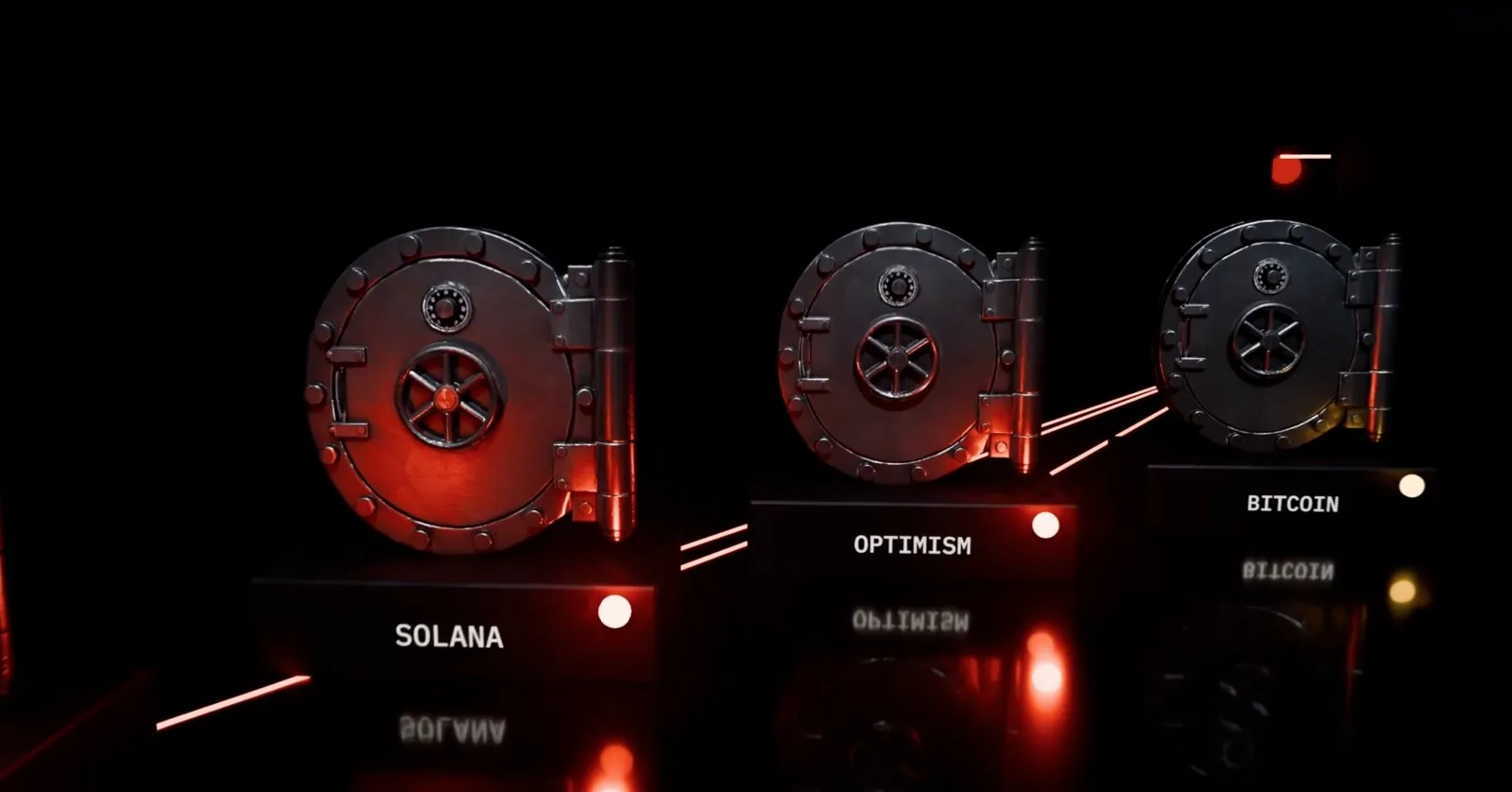
Binance said on 3 November 2026 that the $6.3 billion theft from its hot wallets on 29 October began months earlier with a tampered coding tool and a fake job interview, and that the attackers used an internal Binance AI tool to reach the computers of engineers with access to wallet systems (Reuters, The Block). The initial incident report describes a campaign that ran from June to October. The same day, co-CEO Richard Teng shared data showing $10.97 billion in withdrawals and $5.28 billion in net outflows in the 46 hours after the hack (CoinDesk).
"This wasn't one mistake or one breach," Teng wrote on X. The report bears that out. The sequence, as Binance described it:
Three engineers' machines were compromised in the chain that mattered. None of the steps required breaking cryptography.
The report's least familiar detail is the role of the AI tool. Binance has not named it or described its permissions in public. What the account shows is that a tool built to help staff move across internal systems did the same for the attackers.
The signing layer added a second problem. According to CryptoTicker's reading of the report, the attackers used an EIP-7702 delegation to gain execution rights over a hot wallet. Binance's wallets use multi-party computation, in which multiple parties produce each signature and no single key holds the full secret. Binance security chief Jimmy Su said no single key was able to revoke the permission once granted, which pushed containment past midnight. A design meant to remove single points of failure also removed the single point of shutdown.
Binance said it has closed the entry points, rebuilt the affected wallet system in a new environment, replaced devices, decommissioned the engineers' credentials and tokens, and commissioned an independent security review. It also plans more spending on AI-based anomaly detection and a security research fund. "This should not have happened," the company wrote, and apologized to users.
The withdrawal figures grew as more networks reopened. Reuters reported $4.72 billion in net outflows on 2 November. CoinDesk's figures from Teng a day later put the totals higher:
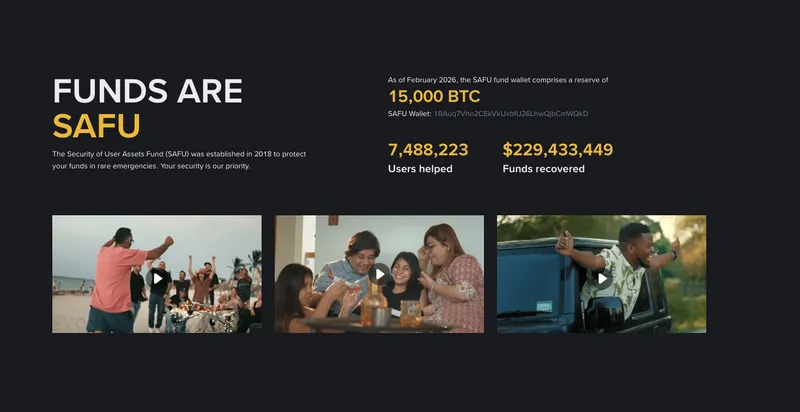
On the loss itself, Binance says it has frozen or intercepted $2.85 billion of the stolen assets and replenished 98% of impacted holdings with company funds. The stolen total appears as $6.3 billion in Reuters and the report summary, $6.34 billion in The Block and $6.4 billion in the CoinDesk article body. SAFU, now holding 7,500 BTC, is to be refilled to $1 billion with no date set.
The FBI has attributed the attack to TraderTraitor, a group it links to North Korea. North Korea rejects the claim, and Kim Jong-un's sister called it a "grave political provocation." The attribution is an assessment by US authorities. No one has been charged, and no court has ruled on it. Binance says it detected and stopped 57 suspected North Korea-linked attacks using similar methods in 2026.
Canadian residents had no direct exposure, since Binance left Canada in 2023. The method travels, though. Fake recruiters targeting developers with coding tests are not specific to Binance, and anyone working at a Canadian crypto firm, fintech or exchange is a plausible target. The defense starts with a rule that sounds dull. Run interview code on a machine that holds no work access, and verify a recruiter's company before the second call.
The case also adds weight to the custody model Canadian registered platforms follow under CSA terms, with at least 80% of client crypto held by third-party custodians. The Binance loss came from hot wallets. Every control in this report sat between an engineer's laptop and those wallets, and each one gave way in turn.

Mikko has been writing about money since 2015, covering payment services, trading platforms and crypto for readers in several markets. He leads exchange and wallet reviews at CryptoInfoBase.
Binance customers pulled a net $4.72 billion after withdrawals reopened on 1 November 2026. What happened, who the FBI blames, and why bitcoin held at $78,000.
Altcoin Daily is run by twin brothers Aaron and Austin Arnold. We check their bio, the $5M net worth claim, their income streams and five dated market calls.
Ash Crypto (@AshCrypto) has 2.1 million X followers. We check his bio, the net worth claims, his public market calls and the May 2026 ZachXBT allegations.