Bitcoin ETFs Lose $1.28B in a Week as 2026 Flows Turn Negative
US spot Bitcoin ETFs lost $1.28B from 2 to 6 November 2026, the largest weekly outflow since June, pushing 2026 net flows to minus $914M. IBIT lost $1.21B.
FinCEN barred US financial institutions from moving funds to or from MEXC Global, citing $16 billion in illicit flows from May 2021 to May 2026.

By Mikko Mikailov4 min read

The US Treasury's Financial Crimes Enforcement Network (FinCEN) on Friday, 6 November 2026, ordered US financial institutions to stop processing any funds transfer to or from MEXC Global, one of the world's 20 largest crypto exchanges by volume. FinCEN alleges that MEXC moved at least $16 billion tied to sanctions evasion, cybercrime and other illicit activity between May 2021 and May 2026. The ban takes effect 30 days after the order appears in the Federal Register. As of Friday evening, it had not appeared there.
The order is a funds-transmittal ban, not a sanctions listing. FinCEN issued it under section 9714(a) of the Combating Russian Money Laundering Act, after finding MEXC a "primary money laundering concern" in connection with Russian illicit finance. FinCEN used the same provision against the Russia-linked exchange Bitzlato in January 2023. The order was signed by FinCEN Deputy Director Jimmy L. Kirby and frames the action as part of Treasury's Operation Economic Outcast.
Once the 30-day window closes, US banks, money transmitters and other covered institutions cannot send or receive dollars or crypto to or from MEXC. Willful violations carry civil or criminal penalties. The order leaves Bank Secrecy Act reporting and OFAC rules unchanged, and it sets no end date.
The ban reaches beyond one company. The order names these MEXC entities and their successors:
Treasury's press release uses $16 billion. The 24-page order itself puts the figure at $16.7 billion. Treasury breaks out these components of the total, with its own rounding:
| Flow | Amount | Period |
|---|---|---|
| Russian sanctions evasion | nearly $1.5 billion | May 2021 to May 2026 |
| Direct transactions with US-, EU- and UK-sanctioned entities | $232 million | Same |
| A7A5 ruble-backed stablecoin | almost $200 million | Same |
| OFAC-sanctioned A7 network | at least $26 million | Same |
| Direct transfers with 40+ Iranian exchanges | $1 billion | Same |
| Central Bank of Iran, IRGC and Qods Force | $22 million | Same |
The named items add up to less than $3 billion. Treasury attributes the remainder to cybercrime, ransomware and scam payments, and darknet market activity, with no further breakdown. North Korea appears in the order as a jurisdiction MEXC served despite its own ban on DPRK users. No dollar figure is given.
One detail weighs more than the totals. FinCEN says MEXC kept transacting with Garantex and its successor Grinex as late as June 2026. OFAC designated Garantex in April 2022. The Crypto Times, citing the order, puts those flows at $129 million with Garantex and $4.1 million with Grinex. In our view, four years of exposure to a listed exchange is hard to explain as a screening gap.
Treasury Secretary Scott Bessent said financial institutions "cannot have it both ways." FinCEN described MEXC's anti-money-laundering controls as having "severe deficiencies," despite the exchange's published policies barring users from Iran and North Korea.
MEXC posted marketing content on X through Friday afternoon. It acknowledged the order on 7 November. The exchange said it is reviewing the order with its legal and compliance teams, that it is "operating normally" and that user assets remain secure. MEXC also said it has started an independent review of its AML and sanctions controls and intends to engage with FinCEN and other regulators.
CEO Vugar Usi said deposits and withdrawals were running despite higher withdrawal volumes. The exchange published no withdrawal figures. By Treasury's count, MEXC processed more than $1 billion a day and held $5 billion in reserves as of September 2026. DefiLlama data cited in coverage put its total assets at $4.48 billion on 6 November.
For US residents, little changes on paper. MEXC already lists the United States as a prohibited jurisdiction in its terms. The order targets the infrastructure that serves the exchange: dollar rails, banking partners and US-regulated counterparties.
For users in Canada, the UK and Australia, the order creates no direct obligation. The indirect effects are harder to read. The questions that remain open as of 8 November:
This is a softer instrument than the 2022 Garantex designation. Wallets on MEXC are not frozen, and non-US trading continues. Still, the order has no end date, and FinCEN chose an order over a slower rulemaking, citing imminent threats. In our assessment, that choice signals that Treasury sees no room for a negotiated fix within 30 days.
For another case of user funds on a large offshore venue, see our Binance hack coverage. Our guide on withdrawing crypto to a Canadian bank covers the off-ramp side.

Mikko has been writing about money since 2015, covering payment services, trading platforms and crypto for readers in several markets. He leads exchange and wallet reviews at CryptoInfoBase.
US spot Bitcoin ETFs lost $1.28B from 2 to 6 November 2026, the largest weekly outflow since June, pushing 2026 net flows to minus $914M. IBIT lost $1.21B.
Samsung switched on Stablecoin Accounts in Samsung Wallet on 5 November 2026: USDC on Solana for US Galaxy users, payouts in 60+ countries, 4% card top-ups.
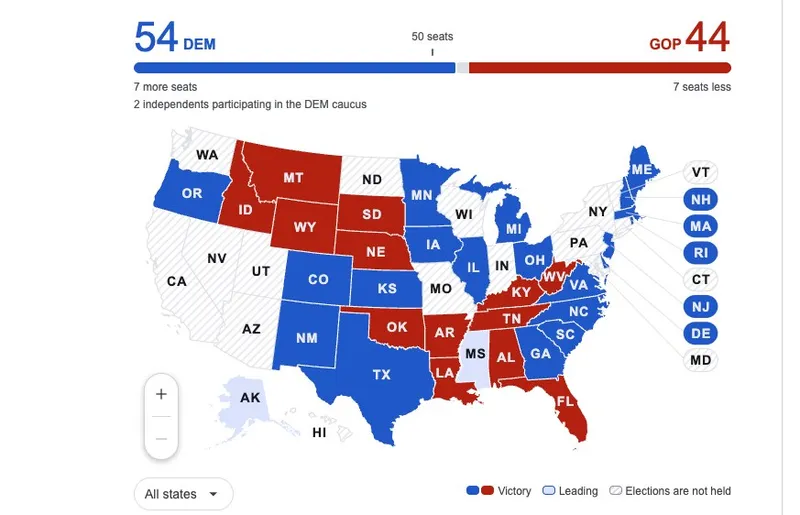
Bitcoin fell below $76,000 on 4 November 2026 as Democrats won both chambers of Congress, then rebounded above $78,000. What it means for the CLARITY Act.